From Constant Ping to Peaceful Flow: How Letting Go of Instant Messages Changed My Life
You know that feeling—your phone buzzes, your heart jumps, and suddenly you’re pulled away from the moment, again. I used to live like that, tethered to every alert, mistaking busyness for connection. But what if we could reclaim our focus, our calm, our time? This isn’t about deleting apps—it’s about redesigning how we use them. Let me share how stepping back from instant messaging didn’t isolate me, but actually brought me closer to what truly matters. It wasn’t a dramatic rebellion against technology. It was a quiet shift, a small decision that rippled through every part of my days. And honestly? It changed everything.
The Never-Ending Chime: Living in the Shadow of "Instant"
Picture this: you’re halfway through a quiet dinner with your family. The kids are laughing, your partner just told a funny story, and then—buzz. Your phone lights up with a group chat notification. Without thinking, you glance at it. It’s your sister asking if anyone wants to meet for brunch. Someone else chimes in with a meme. Another asks for advice about a school project. Suddenly, you’re not fully at the table anymore. Your mind has drifted, pulled into the digital current. This wasn’t an occasional distraction for me—it was the rhythm of my life. I was always half-present, always listening for the next ping.
And it wasn’t just dinner. Bedtime became a minefield of work messages from colleagues who forgot time zones. Weekend plans were negotiated in chaotic threads that scrolled endlessly. Even moments meant for rest—sitting with a cup of tea, folding laundry, walking the dog—were punctuated by alerts. The expectation wasn’t just that I’d see the message; it was that I’d respond immediately. Saying ‘I’ll get back to you’ felt like a tiny act of rebellion. I started to feel like my attention wasn’t my own. It belonged to the phone, to the group, to the invisible demand for instant replies.
What surprised me most was how drained I felt. Not from busy work or parenting, but from the constant switching. Psychologists call it ‘attention residue’—that mental lag when you jump from one task to another. Every time I checked a message, part of my brain stayed behind, still processing the thread, still wondering if I’d missed something. I wasn’t just tired. I was emotionally scattered. I’d snap at my kids over small things, not because I was angry, but because I was overwhelmed by the noise in my head. The irony? I thought I was staying connected. But in reality, I was becoming more disconnected—from myself, from my family, from the present moment.
The Myth of Constant Connection
We’ve been sold a story: that more communication means stronger relationships. That if we’re always available, we’re being a good friend, a dedicated team member, a loving family member. But here’s what no one talks about—constant messaging doesn’t always mean deeper connection. Sometimes, it does the opposite. I had a close friend who only reached out through group chats. Her life updates came in bursts—photos of her vacation, complaints about her job, urgent questions—all scattered across a dozen messages. I’d read them, react with a thumbs-up or a heart, and move on. But when we finally met for coffee after months, I realized how little I actually knew about what she was going through. The messages gave the illusion of closeness, but they lacked depth.
Then there was my mom. She started using messaging apps a few years ago, and at first, I was thrilled. We could stay in touch without long phone calls. But soon, our conversations became a series of quick exchanges: ‘How are you?’ ‘Fine.’ ‘Good.’ ‘Love you.’ ‘Love you too.’ That was it. No pauses, no tone of voice, no chance to really listen. I missed the warmth of her voice, the way she’d pause before answering a hard question. Texting made us more ‘connected’ on paper, but emotionally, we felt further apart.
I began to see that availability isn’t the same as presence. Being able to reply in five seconds doesn’t mean you’re truly showing up. Real connection takes time. It needs space to breathe, to reflect, to say something meaningful. When every interaction is rushed, when every message demands a quick reply, we lose the richness of conversation. We trade depth for speed, and we don’t even notice until it’s gone. The truth is, I wasn’t feeling more connected. I was feeling more performative—like I was putting on a show of being ‘there’ without actually being present.
Reclaiming Time: The First Ripple of Change
The turning point came on a Sunday afternoon. I was trying to help my daughter with her science project, and for the third time in an hour, my phone buzzed. It was a non-urgent work message. I glanced at it, answered quickly, and when I turned back to my daughter, she looked hurt. ‘You always have to check that,’ she said quietly. That moment hit me like a wave. I wasn’t just losing my own peace—I was modeling a life of constant distraction for my kids. That night, I made a small promise to myself: no messages after 7 PM, except for emergencies. Just one boundary. That’s all.
At first, it felt strange. My hand would reach for the phone out of habit. My mind would race—‘What if someone needs me? What if I miss something important?’ But after a few days, something shifted. The silence wasn’t empty. It was full. I started reading before bed instead of scrolling. I had longer conversations with my husband. I noticed the way the light changed in the evening, the sound of the wind through the trees. I wasn’t doing anything extraordinary—just being still. And it felt like a gift.
Then I added another boundary: one message-free day each week. I called it ‘No-Message Sunday.’ No group chats, no work threads, no quick check-ins. Just real life. I was nervous at first—what if someone thought I was ignoring them? But I explained it simply: ‘I’m taking one day to focus on family and rest. I’ll be back online tomorrow.’ Most people understood. And those who didn’t? Well, their reaction told me something important about our relationships. The change wasn’t just about time. It was about reclaiming my attention. Every time I chose not to check my phone, I was saying, ‘This moment matters more.’ And slowly, I began to feel more in control of my life.
How Silence Became My Secret Weapon
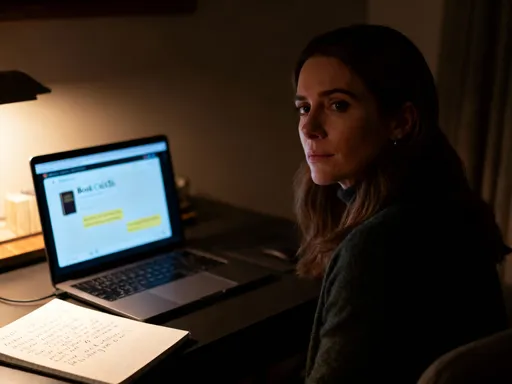
Here’s what no one warns you about: when the noise stops, you start to hear yourself again. At first, the quiet felt uncomfortable. My mind was used to constant input—notifications, updates, the endless scroll. Without that, I felt restless. But I didn’t fill the silence with more noise. Instead, I let it be. And in that stillness, something beautiful happened. I started journaling again—something I hadn’t done since college. I wrote about small things: how I felt that day, what I was grateful for, what I wanted to let go of. It wasn’t profound. It was honest. And it helped me understand myself in ways I hadn’t in years.
I also rediscovered reading. Not articles or news, but real books—novels, memoirs, books about personal growth. I’d sit on the porch with a cup of tea and lose myself in a story. My creativity came back too. I started baking again, trying new recipes, not because I had to, but because I wanted to. I painted a small watercolor of my garden. These weren’t grand achievements. But they were mine. They weren’t documented or shared online. They were just for me. And that made them more meaningful.
I began to notice patterns in my thoughts. When I was anxious, I’d reach for my phone. When I felt lonely, I’d open a chat group, hoping for a quick fix. But now, instead of escaping, I stayed with the feeling. I asked myself, ‘What do I really need right now?’ Sometimes it was a walk. Sometimes it was a phone call to a friend. Sometimes it was just five minutes of deep breathing. The silence didn’t make life easier—it made it richer. It gave me space to grow, to reflect, to become more aware of who I was and who I wanted to be. I wasn’t just disconnecting from my phone. I was reconnecting with myself.
Deeper Conversations, Fewer Messages
One of the most surprising changes was in my relationships. I expected people to feel neglected when I didn’t reply instantly. But the opposite happened. When I started taking time to respond—sometimes hours later, sometimes the next day—my replies became more thoughtful. Instead of a quick ‘Sounds great!’ I’d write, ‘That sounds really exciting—tell me more about what you’re planning.’ People noticed. They said my messages felt more personal, more present.
I also started replacing texts with voice notes or phone calls. It felt awkward at first—like I was asking too much of someone’s time. But most people welcomed it. My sister and I began doing weekly voice calls instead of texting all week. We laughed more. We shared more. We didn’t have to keep the conversation going with constant pings. We could pause, reflect, and really listen. I started scheduling coffee dates instead of relying on chat threads to maintain friendships. And those face-to-face moments? They were deeper, warmer, more real.
I realized that constant messaging had made my relationships transactional. We were exchanging information, not emotions. But when I slowed down, the quality of my connections improved. I wasn’t trying to keep everyone happy at once. I was showing up for the people who mattered, in ways that mattered. And that made all the difference. It wasn’t about pulling away from people—it was about showing up for them in a more authentic way. Fewer messages, but more meaning. That’s the shift I didn’t know I needed.
Raising the Next Generation of Calm Communicators
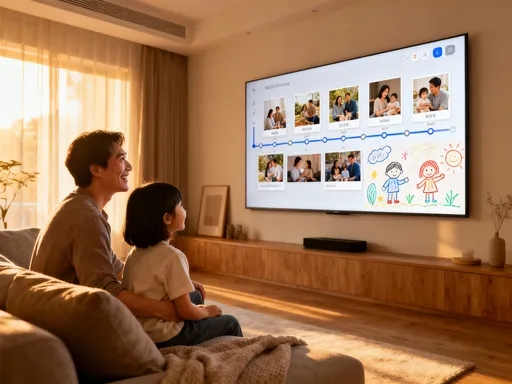
As a parent, one of my biggest worries isn’t just how tech affects me—but how it shapes my children’s habits. I didn’t want them to grow up thinking that constant connectivity is normal, or that their worth is tied to how many messages they get. So we started creating tech-free zones at home. The dinner table is sacred—no phones allowed. Bedtime is screen-free for everyone, not just the kids. We have a basket by the door where all devices go during family time.
At first, it was a battle. My teenager groaned. My younger daughter forgot and reached for her tablet. But slowly, it became routine. And the changes were beautiful. We started talking more at dinner—about school, dreams, silly things that happened during the day. We told stories. We played board games. We laughed without pausing to check a notification. My kids began to notice when I stayed present. ‘You’re not looking at your phone,’ my daughter said one evening. ‘I like that.’
I also talk to them openly about why I set these boundaries. I explain that my phone is a tool, not a master. That it’s okay to wait before replying. That real connection happens when we look each other in the eye. I’m not perfect—I still slip sometimes. But I’m modeling something different: a life where technology serves us, not the other way around. And that, I believe, is one of the most important lessons I can pass on. It’s not about rejecting tech. It’s about using it with intention, with care, with love.
Living at Your Own Speed: The New Normal
Today, my life feels different. Not because I’ve abandoned technology—I still use messaging apps, email, social media. But now, I use them on my terms. I check messages at set times, not in reaction to every alert. I turn off notifications during family time, deep work, or moments of rest. I’ve learned to say, ‘I’ll get back to you when I can,’ without guilt. And the world hasn’t ended. In fact, it’s better.
I feel calmer. More focused. More in tune with what matters. My relationships have deepened. My self-awareness has grown. I’ve made space for creativity, reflection, and quiet joy. I’m not chasing the next ping. I’m living in the now. This journey wasn’t about becoming disconnected—it was about becoming more connected. To myself. To my family. To the life I’m actually living, not the one I’m documenting or reacting to.
If you’re feeling overwhelmed by the constant buzz, I want you to know—you’re not alone. And you don’t have to make a dramatic change. Start small. Turn off one notification. Set one boundary. Try a message-free hour. See how it feels. Notice what fills the silence. Maybe it’s a conversation with your child. Maybe it’s a moment of peace. Maybe it’s just the sound of your own breath.
Technology should serve us, not steal from us. It should help us live better, not faster. You have the power to design a life that feels calm, intentional, and full of meaning. You don’t have to live at the speed of a notification. You can live at the speed of your heart. And when you do, you’ll find that the moments you’ve been missing—the quiet ones, the slow ones, the real ones—were there all along, waiting for you to notice them.