How I Made Exercise a No-Brainer Habit (And You Can Too)
We all know exercise is good for us, but let’s be real—sticking to it is hard. I used to skip workouts constantly, until I cracked the code on building a routine that actually sticks. It’s not about willpower; it’s about design. This is how I turned movement into a natural part of my day, with real, lasting results. No hype, just what truly works. What I discovered wasn’t a miracle method, but a mindset shift: sustainable fitness isn’t built on motivation, but on structure, self-awareness, and kindness. And the best part? It’s available to anyone, at any stage of life.
The Real Problem With Exercise (It’s Not What You Think)
Most people believe they struggle with exercise because they lack motivation or discipline. They assume that if only they were stronger, more committed, or more driven, they’d finally stick with it. But decades of behavioral research tell a different story. The real obstacle isn’t laziness—it’s poor habit design. Human behavior is deeply influenced by environment, cues, and routine. When we rely solely on willpower, we set ourselves up for failure because willpower is a limited resource, easily depleted by stress, fatigue, or daily demands.
Consider this: the brain resists abrupt changes, especially those that require sustained effort without immediate rewards. Exercise often falls into this category—its benefits are long-term, but the effort is immediate. Without a clear system in place, it’s easy to default to comfort. The moment you tell yourself, “I’ll do it later,” you’ve already lost. That’s why the “just do it” mentality rarely works. It ignores the psychology of habit formation and places blame on the individual instead of addressing the flawed strategy.
What changes the game is shifting from self-criticism to problem-solving. Instead of asking, “Why can’t I stick with it?” ask, “What’s making it hard to start?” Is it the time of day? The type of activity? The location? Once you begin to see the barriers clearly, you can engineer solutions. For example, if mornings are chaotic, don’t schedule a workout then. If you dread the gym, don’t force yourself to go. The goal isn’t to push through discomfort but to create a path of least resistance. When you stop blaming yourself and start designing your environment, exercise stops being a battle and starts becoming a natural part of your day.
Why Routine Beats Intensity Every Time
One of the most liberating realizations in my fitness journey was understanding that consistency matters far more than intensity. You don’t need to run marathons or lift heavy weights to reap the benefits of physical activity. In fact, research consistently shows that moderate, regular movement—like brisk walking, light cycling, or stretching—delivers profound long-term health advantages. The Centers for Disease Control and Prevention (CDC) recommends just 150 minutes of moderate aerobic activity per week, which breaks down to about 30 minutes, five days a week. That’s less than 3% of your week, yet most people still struggle to meet it.
The reason routine wins over intensity is simple: it builds resilience. When you engage in regular physical activity, even at a low level, your body adapts gradually. Your heart becomes more efficient, your lungs improve their capacity, and your muscles grow stronger over time. These changes reduce your risk of chronic conditions like heart disease, type 2 diabetes, and high blood pressure. But the benefits aren’t just physical. Regular movement has been linked to improved mood, reduced anxiety, and better sleep quality. It’s one of the most effective, evidence-based tools for mental well-being.
Contrast this with high-intensity workouts done sporadically. While they can offer short-term boosts, they often lead to burnout, injury, or discouragement when the body isn’t prepared. The all-or-nothing approach—going all out one day and doing nothing the next—creates a cycle of guilt and frustration. But when you focus on showing up, even for ten minutes, you build a foundation of reliability. Over time, that small daily effort compounds. You begin to feel stronger, more energized, and more capable. And that confidence fuels further progress. The key isn’t to push harder; it’s to show up, consistently, in a way that feels sustainable.
Designing Your Day Around Movement (Not the Other Way Around)
One of the biggest mistakes people make is trying to “find time” for exercise. The truth is, time isn’t found—it’s created. And the most effective way to create space for movement is to weave it into your existing routine. This concept, known as habit stacking, involves pairing a new behavior with an established one. For example, if you always make coffee in the morning, use that as a cue to do two minutes of stretching before you take your first sip. If you check your phone after dinner, use that moment to walk around the house or do a quick set of squats.
Habit stacking works because it leverages the brain’s natural tendency to link behaviors. When two actions are consistently paired, the first becomes a trigger for the second. Over time, the new habit feels automatic. You don’t have to remember to stretch—you just do it after brushing your teeth. You don’t have to decide to walk—you naturally get up when the phone rings. These micro-moments of movement add up, and they require no extra time or planning.
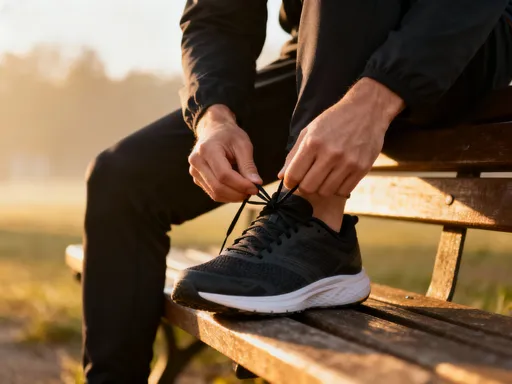
Another powerful strategy is environmental design. If your workout clothes are buried in a drawer, you’re less likely to use them. But if you lay them out the night before, or keep your walking shoes by the door, you reduce friction. Similarly, if your living room is cluttered, it’s harder to move. But a clear space—even a small corner—invites activity. You don’t need a home gym; you need a signal that movement is expected and easy. When your environment supports your goals, you don’t have to rely on motivation. The structure does the work for you.
The 10-Minute Rule That Changes Everything
One of the most effective tools I’ve used to overcome resistance is the 10-minute rule: commit to just ten minutes of movement. That’s it. No pressure to finish a full workout, no expectation of intensity. Just ten minutes. What I discovered is that once I started, I almost always kept going. The hardest part wasn’t the exercise—it was beginning. And the 10-minute rule lowered the barrier enough to make starting feel manageable.
This strategy is rooted in behavioral psychology. The brain resists tasks that seem overwhelming, but it’s more willing to engage with small, low-stakes commitments. By reducing the perceived effort, you bypass resistance. Once you’re in motion, momentum takes over. You might start with a slow walk and end up walking for 30 minutes. You might begin with gentle stretches and find yourself doing a full routine. But even if you stop after ten minutes, you’ve still succeeded. You’ve honored your commitment, reinforced the habit, and built trust with yourself.
The beauty of this rule is that it removes perfectionism. You don’t have to “earn” a workout by doing it perfectly. You just have to begin. And over time, those ten-minute sessions add up. They keep the habit alive on busy days, prevent the “all-or-nothing” mindset, and maintain continuity. It’s not about how much you do—it’s about showing up. And when you show up regularly, progress becomes inevitable.
Finding Movement That Fits Your Life (Not Instagram)
Scrolling through social media, it’s easy to feel like real exercise looks a certain way: intense, fast-paced, and highly curated. But the truth is, the best form of movement is the one you enjoy and can sustain. It doesn’t have to be loud, sweaty, or Instagram-worthy. It just has to feel good. For some, that’s dancing in the kitchen. For others, it’s gardening, swimming, or walking in nature. The key is personal preference. When you enjoy what you’re doing, you’re far more likely to stick with it.
Think back to activities you loved as a child. Did you ride a bike? Play tag? Skip rope? These early experiences often reveal what kind of movement feels natural to you. You don’t have to return to childhood hobbies, but they can offer clues. If you loved being outdoors, trail walking might be ideal. If you enjoyed rhythm, dance-based workouts could be a great fit. The goal isn’t to chase trends but to reconnect with joy.
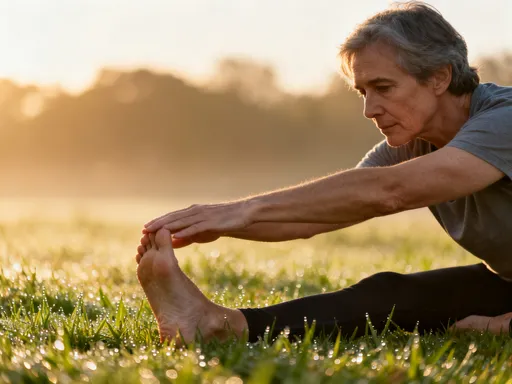
It’s also important to listen to your body. As we age, our needs and abilities change. High-impact workouts may no longer be appropriate, and that’s okay. Low-impact options like yoga, tai chi, or water aerobics offer excellent benefits without strain. The American College of Sports Medicine emphasizes that any movement is better than none, and that enjoyment is a key predictor of long-term adherence. So instead of forcing yourself into a routine you hate, give yourself permission to explore. Try different activities, notice how they make you feel, and let that guide your choices. When exercise becomes something you look forward to, it stops being a chore and starts feeling like self-care.
Tracking Progress Without Obsession
Many people track fitness progress through numbers: weight, calories, steps, or reps. While these metrics can be useful, they can also become sources of stress and fixation. The danger lies in equating progress with perfection. When the scale doesn’t move or the step count falls short, it’s easy to feel like a failure. But real progress isn’t always visible on a chart. It shows up in how you feel.
Subtle, non-scale victories are often the most meaningful. Do you sleep better? Do you have more energy in the afternoon? Can you carry groceries without getting winded? These are powerful indicators of improvement. Other signs include improved mood, reduced joint stiffness, or the ability to play with grandchildren without fatigue. These changes matter deeply, even if they don’t make headlines in your fitness app.
A gentler way to track progress is through journaling. Spend a few minutes each week reflecting on how you feel. Note things like, “I walked up the stairs today without stopping,” or “I felt calmer after my morning stretch.” Over time, these observations reveal a pattern of growth. You begin to see that consistency, not intensity, is driving change. This approach keeps motivation internal rather than external. You’re not exercising to meet a number—you’re doing it to feel better, stronger, and more alive. And that kind of motivation lasts.
When Life Disrupts: Staying on Track Without Perfection
No routine survives contact with real life. Illness, travel, family emergencies, or work deadlines will inevitably interfere. The difference between those who maintain habits and those who don’t isn’t perfection—it’s recovery. The goal isn’t to never miss a workout, but to return quickly when you do. This is where self-compassion becomes essential.
Beating yourself up for skipping a day only creates resistance. It reinforces the idea that exercise is a punishment, not a gift. Instead, treat setbacks with kindness. Acknowledge that life happens, and that it’s okay. What matters is your next choice. Even five minutes of movement—a short walk, a few stretches—keeps the habit alive. These “mini-movements” prevent the all-or-nothing spiral and maintain continuity.
Think of your fitness journey as a series of small promises to yourself. When you keep them, you build trust. When you break them, you have a chance to renew your commitment. Progress isn’t linear. There will be ups and downs. But each time you return, you strengthen your resilience. You prove to yourself that you’re capable of showing up, even when it’s hard. And that’s where real change begins.
Exercise doesn’t have to be daunting or dramatic. By aligning it with your natural rhythm and lowering the barriers to entry, it becomes less of a chore and more of a lifestyle. This isn’t about transformation overnight—it’s about showing up, consistently, for yourself. And that small daily promise adds up to real, lasting change. You don’t need motivation. You don’t need perfection. You just need a plan that works with your life, not against it. When movement becomes effortless, it becomes enduring. And that’s the kind of habit that lasts a lifetime.